






Steel Angles
Steel Angles
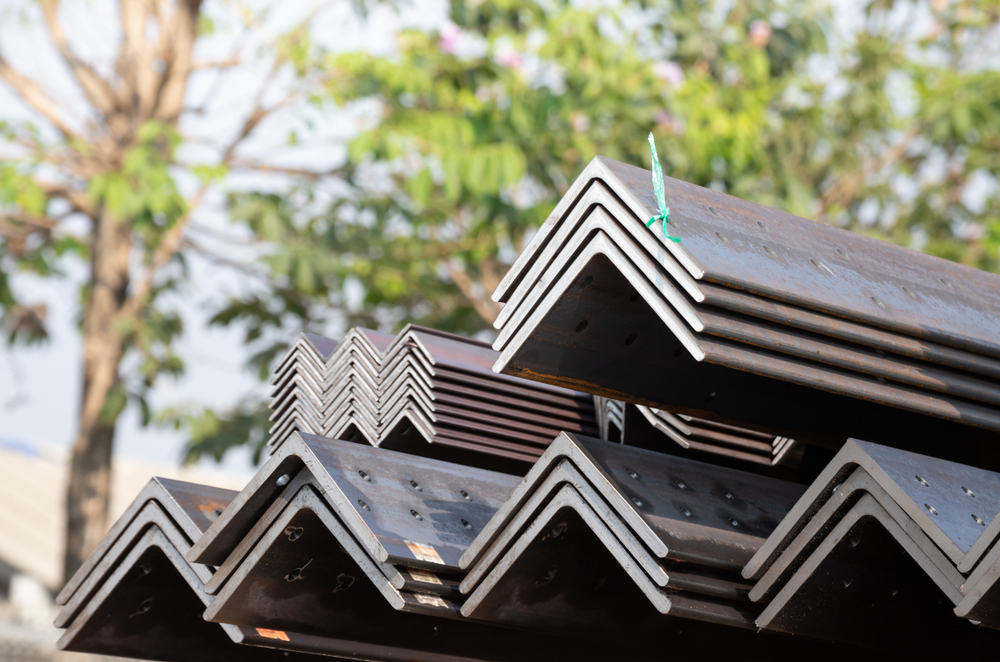
Steel angles (also known as angle iron) are 90° L-shaped steel sections made by hot-rolling carbon steel. Each angle consists of two perpendicular legs, available in various sizes and thicknesses to meet different structural requirements. The unique profile of steel angles provides excellent strength, rigidity, and stability—making them one of the most widely used structural shapes in the construction and manufacturing industries. While standard steel angles feature equal-length legs, we also offer unequal angles and non-standard angle variations for specialized applications.
Steel Angles for Sale – Ready to Ship
Looking for high-quality steel angles? Service Steel Warehouse is your trusted steel supplier. We stock a full range of standard steel angle sizes, from ¾″ to 8″, along with complete processing services including custom cutting, galvanizing, and other fabrication options.
With multiple warehouse locations across the Gulf Coast and Midwest, we ensure prompt delivery and competitive pricing on all steel angle orders. Contact our team directly or fill out our quick quote form to get a fast, free estimate for your next project.
Steel Angle Size Charts
Equal and unequal steel angles refer to two common types of L-shaped profiles. In equal angles, both legs are the same length, while unequal angles feature legs of differing lengths—offering flexibility for diverse structural needs and design requirements.
If you’re planning to purchase steel angles, the charts below provide detailed information about the available dimensions and mechanical properties of each type.
View our Equal Steel Angle Size Chart (¾″ to 8″)
View our Unequal Steel Angle Size Chart (2″ x 1½″ to 8″ x 6″)
Features and Applications of Steel Angles
Steel angles are versatile and durable components used in a wide range of applications. Their L-shaped design provides superior strength and load-bearing capability, making them ideal for both structural and architectural purposes.
In construction, steel angles are commonly used for framing, bracing, reinforcement, and edge protection. They enhance the integrity of buildings, bridges, and frameworks by reinforcing corners and joints—helping prevent deformation and ensuring long-term stability. Their adaptability and cost-effectiveness make steel angles a preferred choice across industries.